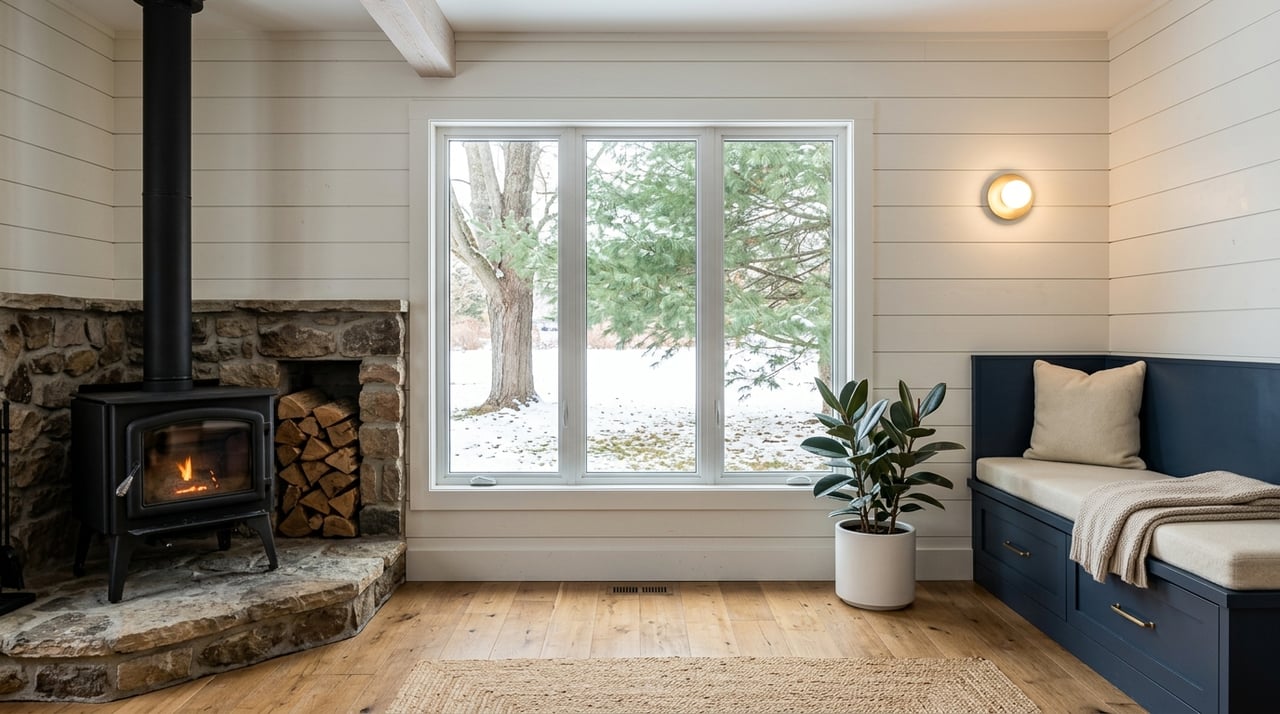
Leeds Cottage Four Season Home: What to Review
July 2, 2026
July 2, 2026
Dreaming about lake life in every season, not just July? In Leeds and the Thousand Islands, that dream can be very real, but turning a seasonal cottage into a comfortable year-round home takes more than adding a few space heaters and hoping for a mild winter. If you are weighing a purchase, planning a renovation, or deciding whether to keep and improve a cottage you already love, this guide will help you understand what matters most locally. Let’s dive in.
A summer cottage and a four-season home are not the same thing. Nearby Brockville climate data gives a useful picture for Leeds and the Thousand Islands, with January averaging -7.2°C, average January lows around -11.3°C, and winter conditions that can stretch well into spring. The average date of the last spring snowfall is April 9.
That matters because a true year-round property has to do more than look charming by the water. It needs to hold heat, control moisture, protect plumbing from freezing, and stay usable when roads are snowy or icy. If you begin with those basics, you can judge a cottage more clearly.
One of the biggest mistakes buyers and owners make is assuming a cottage can simply be used year-round without formal steps. In Leeds and the Thousand Islands, a seasonal dwelling is treated differently from a year-round residence. If you want to convert a seasonal dwelling for year-round use, the township requires a building permit for that change.
The township also states that the conversion must meet applicable Ontario Building Code requirements. That can include upgraded construction, insulation, vapour and air barriers, heating and ventilation, and windows. The township further notes that an occupancy permit must be issued before any occupancy of a seasonal or permanent residence.
Permits are not just paperwork. They help confirm whether the structure, systems, and site can support year-round use. In Ontario, building permits are generally required for renovations, additions, new construction, change of use, seasonal buildings, and on-site sewage work.
That means your conversion plan should start with local due diligence, not finish there. If you wait too long to confirm what the township will allow, your timeline and budget can change fast.
Some properties need more than a building permit. The township notes that certain projects may also require approvals such as a minor variance, by-law amendment, official plan amendment, Cataraqui Conservation, St. Lawrence Parks Commission, or Health Unit approval, depending on the site and scope of work.
This is especially important for waterfront and rural properties, where site conditions often shape what is possible. A beautiful lot does not always mean a simple conversion.
If you want a cottage to work in January, the building envelope is where the conversation should begin. In practical terms, that means the parts of the home that separate indoor living space from the outdoor climate. A cottage that loses heat, leaks air, or traps moisture will be harder and more expensive to use comfortably all year.
The township’s seasonal-dwelling conversion requirements point to the core areas that usually matter most: insulation, vapour and air barriers, heating and ventilation, and windows. Those are not cosmetic upgrades. They are part of what makes year-round occupancy possible.
When you tour a property or plan an upgrade, pay close attention to:
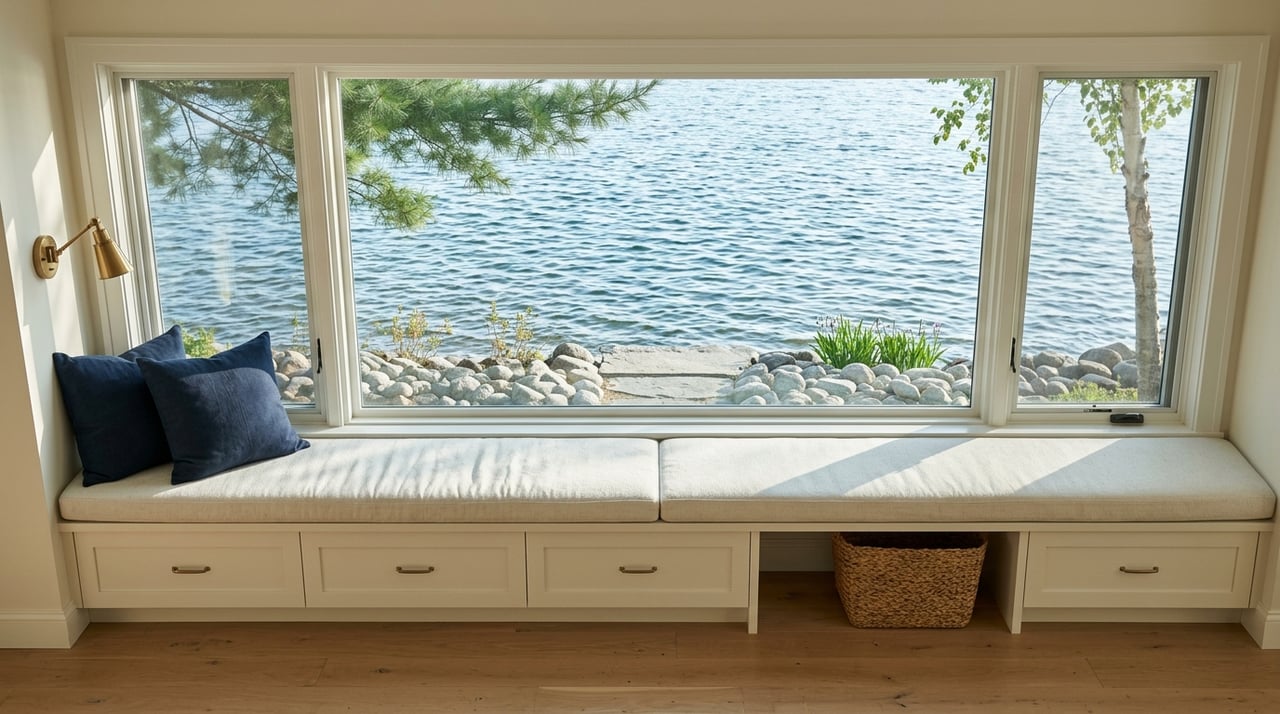
From a design and livability standpoint, these upgrades also shape how the home feels day to day. A cottage can still look relaxed and full of character while functioning like a dependable year-round home.
Utilities can make or break a four-season plan. In Lansdowne, the township provides water and sewer service and requires connection where both services exist. Outside that village core, many properties rely on private wells and septic systems.
The township says owners are responsible for understanding and maintaining those systems. It also recommends annual bacteria testing for residential wells, with more frequent testing after unusual rainfall, flooding, or spring runoff.
A private well or septic system is not necessarily a problem. Many rural and waterfront homes rely on them successfully. But if you are converting a cottage from seasonal to year-round use, capacity, age, maintenance records, and permit history become much more important.
The township building department reviews septic and sewage-system permits and issues permits for sewage systems up to 10,000 litres per day. That makes local records and site review a key part of your planning.
Before you buy or renovate, it helps to clarify:
These details may not be as exciting as a sunroom view, but they often have a bigger impact on whether the property can support your long-term plans.
A cottage can be warm and well-upgraded, but if access is difficult in winter, daily life becomes harder. In Leeds and the Thousand Islands, the township maintains 330 km of roads year-round and uses a priority-based winter snow-clearing system. Private lanes, however, are maintained by property owners or lane associations.
That distinction matters a lot. If a property is on a private lane, you will want to understand who handles snow removal, drainage, and ongoing maintenance before you commit.
The township also operates a private-road grant program that can help with maintenance, snow removal, drainage, and safety improvements on eligible private roads. That can be useful, but it does not replace the need to understand how access works on a specific property.
You should also review driveway and entrance access. Properties on township roads require an entrance permit for new, additional, or altered entranceways, while county roads, the Thousand Islands Parkway, and provincial highways involve other authorities.
Some cottages are simply better candidates for year-round living than others. Beyond permits and systems, the interior layout can either support a practical upgrade or create headaches.
In general, the most workable homes tend to have a protected entry, a sensible utility or mechanical area, good storage for boots and wet gear, and a layout that makes heating and plumbing protection more straightforward. Those features matter more in January than they do on a perfect August weekend.
A cottage may be a better four-season prospect if it offers:
This does not mean a smaller or older cottage cannot work. It means the path tends to be smoother when the home already has a practical foundation for year-round use.
For some owners, converting a beloved cottage is the right move. If you love the location, the shell is sound, and the site systems are workable, upgrading can be a smart way to keep the setting you want while improving comfort and function.
For other buyers, the better answer is to look for a property that already has a more realistic code-compliance path. If the building envelope is weak, access is complicated, and the well, septic, or shoreline conditions are uncertain, a conversion can quickly become a much larger project.
Use this local lens when weighing a cottage against a move-in-ready home:
| Factor | Better for Upgrade | Better to Buy Another Home |
|---|---|---|
| Building envelope | Structure is sound and upgradeable | Major deficiencies across insulation, windows, and air sealing |
| Water and septic | Systems are documented and suitable | Capacity, age, or records are unclear |
| Winter access | Reliable road or lane plan | Access is difficult or uncertain |
| Permitting path | Clear local compliance path | Multiple likely approvals with major unknowns |
| Layout | Easy to protect plumbing and heat | Awkward plan with costly rework |
If most boxes land in the left column, conversion may be worth serious consideration. If they land in the right column, buying a more suitable year-round property may save time, stress, and money.
In a market like Leeds and the Thousand Islands, every property tells a different story. Waterfront lots, private roads, village services, shoreline conditions, and older seasonal structures can all change the decision. What looks like a simple cottage project online may be very different once you review permits, access, and site systems locally.
That is why a careful, local-first approach matters. If you are buying, selling, or planning your next move, it helps to look beyond charm and focus on the features that support comfort, compliance, and long-term value.
If you are thinking about buying a cottage to convert, or selling a property that could appeal to four-season buyers, Gerard Fox can help you evaluate the opportunity with local insight, design-minded perspective, and a clear plan for your next step.
Stay up to date on the latest real estate trends.
Get assistance in determining current property value, crafting a competitive offer, writing and negotiating a contract, and much more. Contact me today so I can guide you through the buying and selling process.