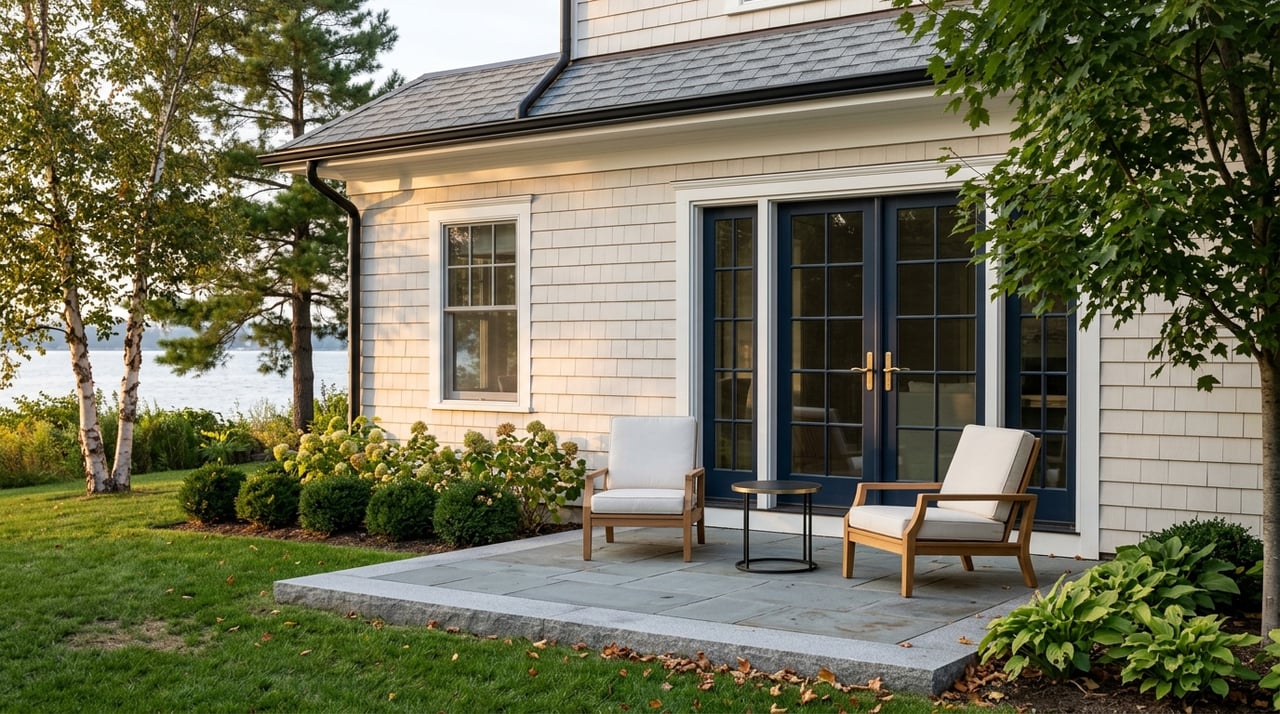
Leeds Thousand Islands Seasons and Year-Round Living
June 25, 2026
June 25, 2026
If you only picture Leeds and the Thousand Islands as a summer place, you are missing half the story. Life here changes with the weather, the water, and the roads, and that shift is part of what makes the area so appealing. Whether you are thinking about buying, selling, or simply getting to know the township better, understanding the local rhythm can help you choose the right home and the right lifestyle. Let’s dive in.
Leeds and the Thousand Islands is shaped by both water and land. The township sits between the St. Lawrence Seaway to the south and the Rideau Canal to the north, and it presents itself as a year-round recreation destination with parks, trails, boat launches, events, and community programs.
That matters because daily life here does not follow one simple suburban pattern. Some roads are maintained by the township, while others are county, provincial, or privately maintained. The township is responsible for 330 kilometres of roads, which means your experience can vary depending on where you live.
The climate also supports a real four-season routine. According to Brockville climate normals, average daily maximum temperatures reach 23.4°C in June, 26.1°C in July, and 25.4°C in August. In winter, January’s average daily mean is -7.2°C and February’s is -6.0°C, with January snowfall averaging 49.5 cm and February snowfall averaging 41.4 cm.
Spring feels like a reset. After winter, people begin shifting back outdoors with trail walks, bird watching, early paddles, and shoreline cleanup. It is a shoulder season, but it is also when the area starts coming back to life.
Thousand Islands National Park keeps its trails open year-round for hiking, snowshoeing, wildlife viewing, bird watching, and geocaching. The township’s garden trail is also in bloom from mid-May through September, which adds another seasonal layer to weekend plans.
For waterfront homeowners, spring is also a planning season. The township notes that docks and boathouses can alter shoreline environments and should be discussed with the Building Department before you build, renovate, or maintain them. If you are considering a waterfront property, spring is often when those responsibilities come into focus.
Summer is when the boating lifestyle is most visible. Parks Canada notes that boat traffic is especially busy from June through September, with weekends seeing the highest activity as seasonal residents and visitors arrive.
This is also peak swimming season. Water temperatures suitable for swimming are generally reached by June and continue through August, while water levels often peak in June and July before declining into fall.
Local amenities support that pattern in a very practical way. Public boat launches and docks are available at locations including Seeley’s Bay, Rockport, Ivy Lea, Furnace Falls, and Kendrick’s Park. Seeley’s Bay Harbour also offers slips, a public launch, showers, washrooms, potable water, and walkable access to stores, the library, parks, and tennis courts.
Summer is not just about boats. Kendrick’s Park in Lyndhurst includes a sandy beach, picnic and refreshment options, and pavilion rentals. Jerry Park’s splash pad runs from May to September, and Centennial Park on the Rideau Canal includes a paddle, canoe, and kayak docking station.
Fall changes the mood in the best way. As water levels decline and peak boat traffic fades, the area becomes more about scenic drives, trails, cycling, and time in the villages.
The township’s garden trail continues through September, and heritage walking tours in places like Escott, Lansdowne, Lyndhurst, Rockport, and Seeley’s Bay offer a different way to experience the area. Instead of a high-energy boating season, fall leans into a quieter, more walkable lifestyle.
For many buyers, this is when the broader appeal of the township stands out. You can still enjoy the landscape and outdoor spaces without needing to be on the water every weekend. That can be especially helpful if you are deciding between a waterfront home, a village property, or a more rural setting.
Winter is not an off-season here. It is a real operational season, and the township plans for it. Roads crews patrol from November 1 to March 31, use a priority-based plowing schedule, and enforce a winter parking ban on township roads, village streets, and sidewalks from December 1 to March 31.
That structure matters if you are thinking about year-round living. In a place with different road authorities and some private lane associations, winter convenience can feel very different from one address to the next.
Outdoor life continues in winter, just in another form. Thousand Islands National Park says its trails remain open year-round, and the Thousand Islands Parkway multi-use trail may be used year-round when conditions are safe, with winter grooming for pedestrians, skiers, snowshoers, and snowmobilers.
The seasonal pattern of Leeds and the Thousand Islands can help you narrow down what type of property fits you best. The right home is not just about square footage or finishes. It is also about how you want to live in January, July, and every month in between.
Waterfront and riverfront homes fit the area’s boating and dock lifestyle best. They are a strong match if you want direct access to boating, paddling, and summer swimming.
They also come with more shoreline responsibility. The township’s waterfront guidance makes it clear that docks and boathouses affect shoreline environments, so planning and maintenance are part of ownership.
Village homes often make year-round living simpler. In Seeley’s Bay, for example, harbour amenities are within walking distance of stores, the library, parks, and tennis courts, and the township’s parks system adds seasonal convenience in several villages.
If you want a home that supports both summer fun and easier winter routines, a village setting may offer the balance you need. For many buyers, that means less friction around errands, parking, and day-to-day access.
Rural homes can offer quiet, space, and close access to lakes and trails. They can be a great fit if privacy and a slower pace matter most to you.
At the same time, road maintenance deserves extra attention. The township notes that many roads are county, provincial, or privately maintained, and its private road grant program helps eligible road associations with maintenance like snow removal, grading, and dust control. In practical terms, the winter experience can vary a lot by address.
If you are buying in Leeds and the Thousand Islands, it helps to think beyond the summer postcard view. Ask yourself how often you want to boat, how important walkability is, and what kind of winter access will feel comfortable for your routine.
If you are selling, the seasonal story of your property matters. A waterfront home may need to highlight dock access, shoreline features, and summer lifestyle appeal, while a village home may benefit from emphasizing year-round convenience and proximity to parks or local amenities.
This is where local knowledge becomes valuable. In a market shaped by water access, trails, village life, and varied road conditions, the best decisions usually come from matching the property to the way you want to live.
If you are exploring a move in Leeds and the Thousand Islands, or preparing to sell a home that fits this four-season lifestyle, Gerard Fox can help you make sense of the details and plan your next step with confidence.
Stay up to date on the latest real estate trends.
Get assistance in determining current property value, crafting a competitive offer, writing and negotiating a contract, and much more. Contact me today so I can guide you through the buying and selling process.