Heritage To Harbour: Brockville Home Styles Explained
June 4, 2026
June 4, 2026
Wondering what kind of home really fits your life in Brockville? That is a smart question, because this river city offers more variety than many buyers expect. From heritage stone and brick homes near the historic core to detached family properties, townhomes, and low-rise apartment living, Brockville gives you several ways to live well. If you are trying to match style, upkeep, and location with your day-to-day routine, this guide will help you sort through the options. Let’s dive in.
Brockville has a compact layout that shapes how people experience housing here. The City says the waterfront and historic downtown are never more than about a 10-minute drive apart, and nearly all of the waterfront is publicly accessible through parks, river access points, and connected trails. That means your home style choice is often tied to lifestyle, not just square footage.
The local housing mix is also broader than many people assume. According to the 2021 Census, Brockville had 10,650 occupied private dwellings, with single-detached homes making up 47.5% of the stock. Low-rise apartments accounted for 27.7%, followed by semi-detached homes at 9.0%, row houses at 7.7%, and apartments in taller buildings at 6.4%.
In simple terms, Brockville is not just a detached-home market and not just a heritage-home market either. It is a mix of character-rich older homes, practical family houses, and lower-maintenance options for buyers who want simplicity. That variety is part of what makes the city so appealing.
If you love original details and historic streetscapes, Brockville’s older core may catch your eye first. Many of the city’s oldest streets date back to the early 1800s, and the town was first incorporated in 1832. The City also maintains a heritage committee and a Municipal Register of Cultural Heritage Properties, which signals how important built history is here.
The architectural range is part of the charm. The City’s heritage site list includes examples such as a mid-19th-century stone house in the Georgian-Loyalist style on Broad Street, a decorative brick home from the mid-1880s on Pine Street, a Second Empire house on Sherwood Street, and a Tudor Revival example on Cochrane Drive. These homes help define Brockville’s visual identity.
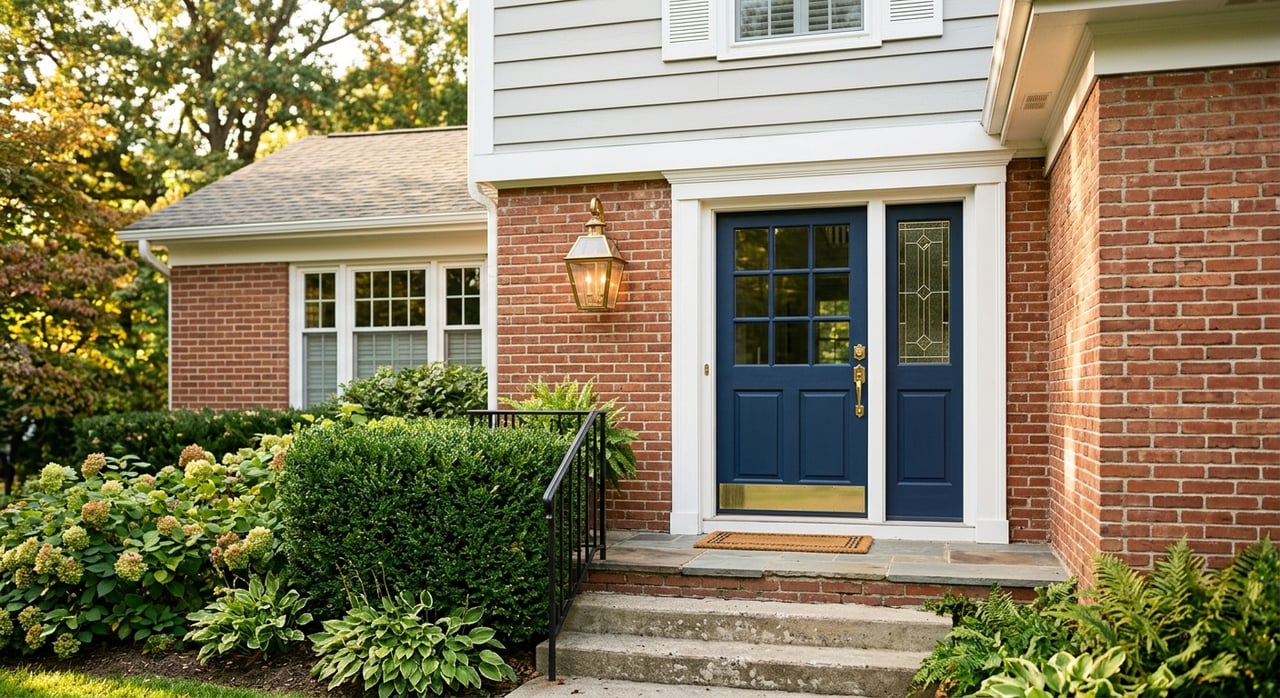
For you as a buyer, heritage appeal often means strong curb appeal, unique materials, and details that are hard to replicate in newer homes. It can also mean more thought around exterior changes. If a property is designated under the Ontario Heritage Act, character-defining features may be protected.
Heritage status does not automatically mean every part of the home is tightly controlled. The City notes that designation mainly protects character-defining features and can apply to individual properties or heritage districts. It also says designation does not generally control interior spaces or paint colours.
That can be encouraging if you want a home with history but still want flexibility inside. You may be able to modernize kitchens, bathrooms, and layouts depending on the property and scope of work. Still, exterior updates may require more planning than they would on a conventional home.
Brockville also offers practical support here. Heritage Brockville provides free advice on historically appropriate materials, colours, and signage. If you are renovation-minded and appreciate guidance, that can make an older home feel more manageable.
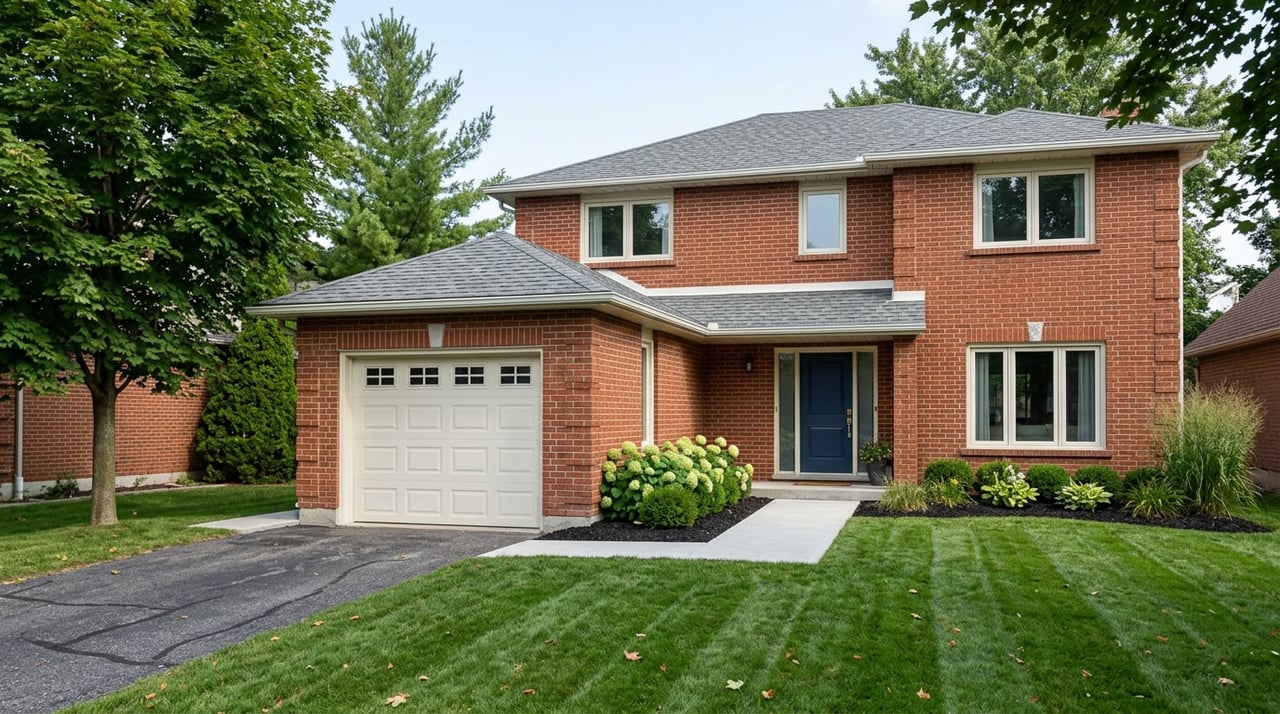
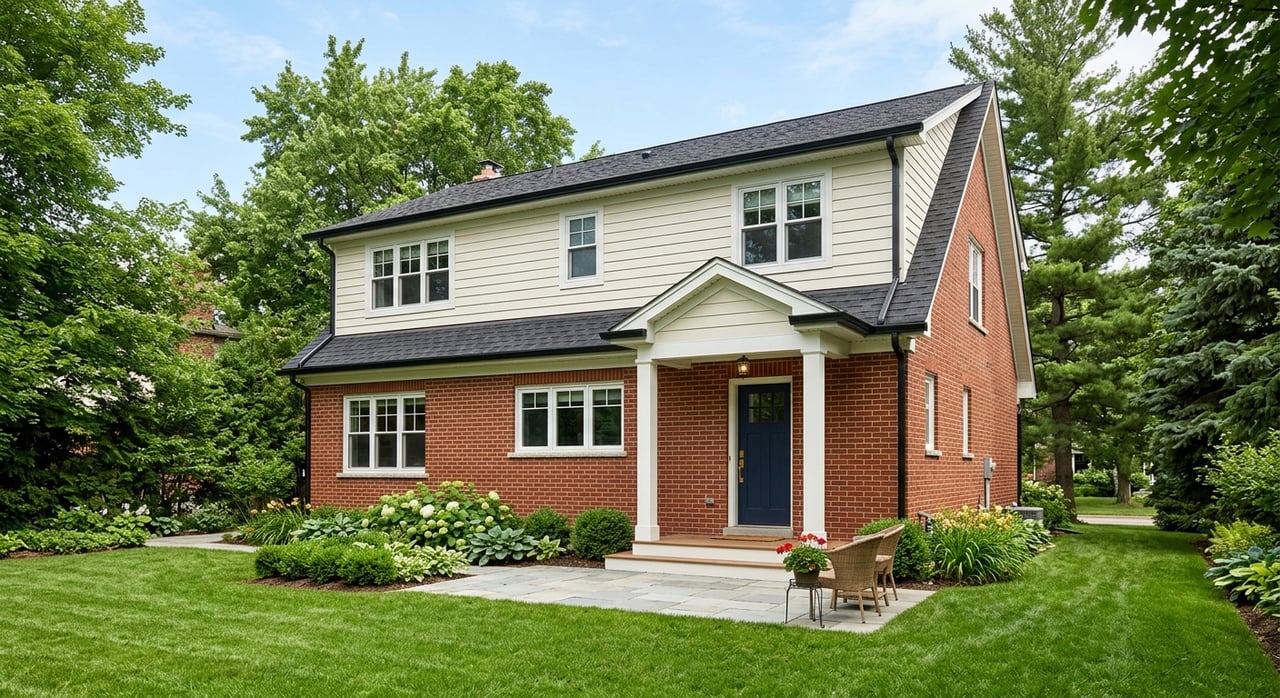
Detached homes remain the largest housing type in Brockville, and that matters if you want room to spread out. With 47.5% of the housing stock in single-detached homes, buyers have meaningful access to properties that can offer yards, storage, garages, and flexible interior space. For many households, that is still the most familiar and functional setup.
Detached homes often make sense if you want fewer compromises around daily living. You may have more room for hobbies, home offices, guests, or future layout changes. If outdoor space matters to you, this category usually offers the clearest path to that goal.
There is also a location advantage in Brockville’s compact footprint. The City notes that the waterfront and downtown are close to the rest of the community, so choosing a more conventional detached home elsewhere in the city does not necessarily mean giving up easy access to amenities and riverfront activity.
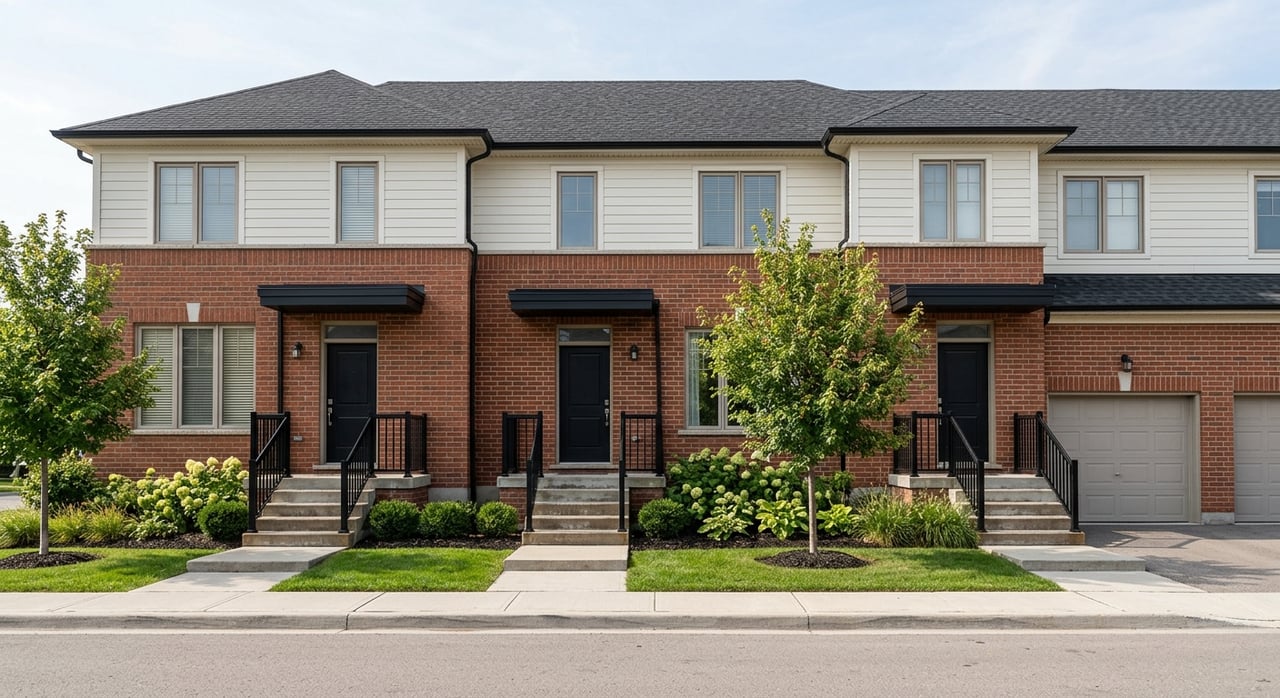
If you want a middle ground between a detached house and an apartment, semi-detached and row homes deserve a close look. In Brockville, semi-detached homes represent 9.0% of the housing stock and row houses make up 7.7%. That gives buyers another practical path into the market.
These homes often appeal to people who want lower exterior upkeep than a larger detached property but still want their own entrance and more separation than many apartment settings provide. They can also be a smart choice if you want efficient living space without taking on the full maintenance profile of an older or larger house.
From a lifestyle standpoint, this category can work well if you value simplicity. You may still get useful storage and outdoor space, but usually with a more manageable footprint. For many buyers, that balance is exactly the point.
Apartment living in Brockville has its own local character. Low-rise apartments account for 27.7% of occupied dwellings, while apartments in buildings with five or more storeys make up 6.4%. That means apartment living here is more likely to feel small-scale and low-rise than tower-focused.
This matters if you are looking for a home that supports a lighter routine. A lower-maintenance property can free up time and reduce exterior responsibilities. That can be attractive for downsizers, one-person households, part-time residents, or buyers who simply want an easier day-to-day setup.
The city’s household data helps explain this demand. One-person households account for 38.6% of households in Brockville, so there is a meaningful segment of the market looking for practical, manageable homes. Low-rise living fits naturally into that picture.
In Brockville, location and home style often work together. The City’s Official Plan treats the downtown and central waterfront as a historic mixed-use area, with room for commercial services, cultural heritage, recreation, and residential uses. It also supports housing forms there that include townhouses, converted dwellings, apartments, and additional residential units.
For you, that creates a more layered housing experience in the core. You are not limited to one property type if you want to live near the river or close to downtown activity. Instead, you may find a range of homes that connect differently to the same area.
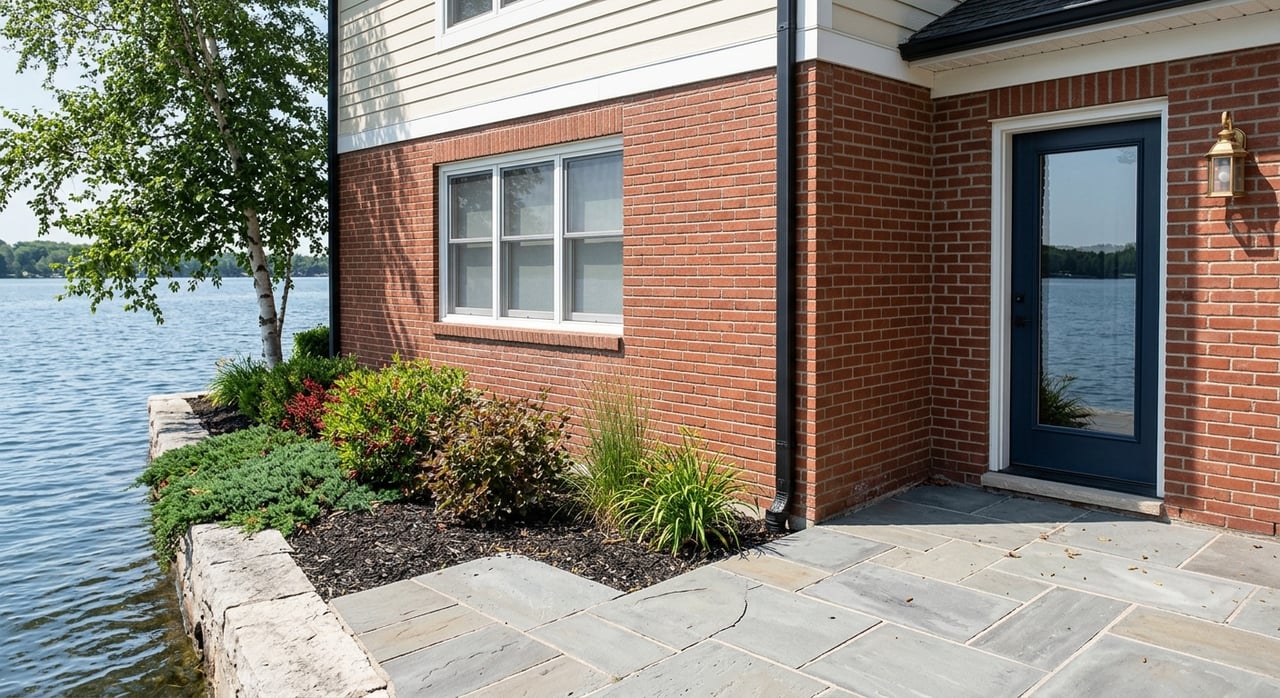
The lifestyle side is especially strong here. The Brock Trail runs along the downtown waterfront and continues north through Buell’s Creek, and downtown includes two public boat ramps plus boat-trailer parking off Water Street. If your ideal routine includes walking, cycling, river views, or easy waterfront access, central Brockville has real appeal.
The easiest way to understand Brockville home styles is to think in terms of how you want to live. The right fit is often less about the label on the property and more about how much upkeep, character, and flexibility you want in your week.
Here is a simple way to frame it:
None of these options is better across the board. The best choice depends on what you value most, how hands-on you want to be, and where you want your time and budget to go.
Before you focus only on style, it helps to think about the realities behind the look. Older homes can offer incredible character, but they may also require a more careful maintenance plan. The 2021 Census reports that 7.8% of occupied dwellings in Brockville were in need of major repairs, which is useful context when you are evaluating age and condition.
That does not mean older homes should be avoided. It simply means due diligence matters. If you are considering a heritage or century property, you will want to look closely at condition, renovation history, and any exterior features that may fall under heritage oversight.
On the other hand, newer or more conventional homes may give you a more straightforward path to updates and maintenance. If ease and predictability matter more than historic detail, that can be a strong advantage. Knowing your comfort level early can help you narrow your search faster.
In a city like Brockville, the details matter. A stone house near the historic core, a detached family home in another part of the city, and a low-rise apartment near downtown can all deliver very different living experiences. The right choice comes from understanding not just the home, but also the street, the setting, and the upkeep that comes with it.
That is where local insight becomes valuable. If you are buying, it helps to have someone who can walk you through the trade-offs clearly and help you compare homes through a lifestyle lens, not just a feature sheet. If you are selling, it helps to position your home style in a way that connects with the right buyer from the start.
Whether you are drawn to Brockville’s heritage character or its easier-care options, the goal is the same: find a home that fits how you actually want to live. If you are ready to explore Brockville home styles with a local, design-minded perspective, connect with Gerard Fox for thoughtful guidance tailored to your next move.
Stay up to date on the latest real estate trends.
Get assistance in determining current property value, crafting a competitive offer, writing and negotiating a contract, and much more. Contact me today so I can guide you through the buying and selling process.