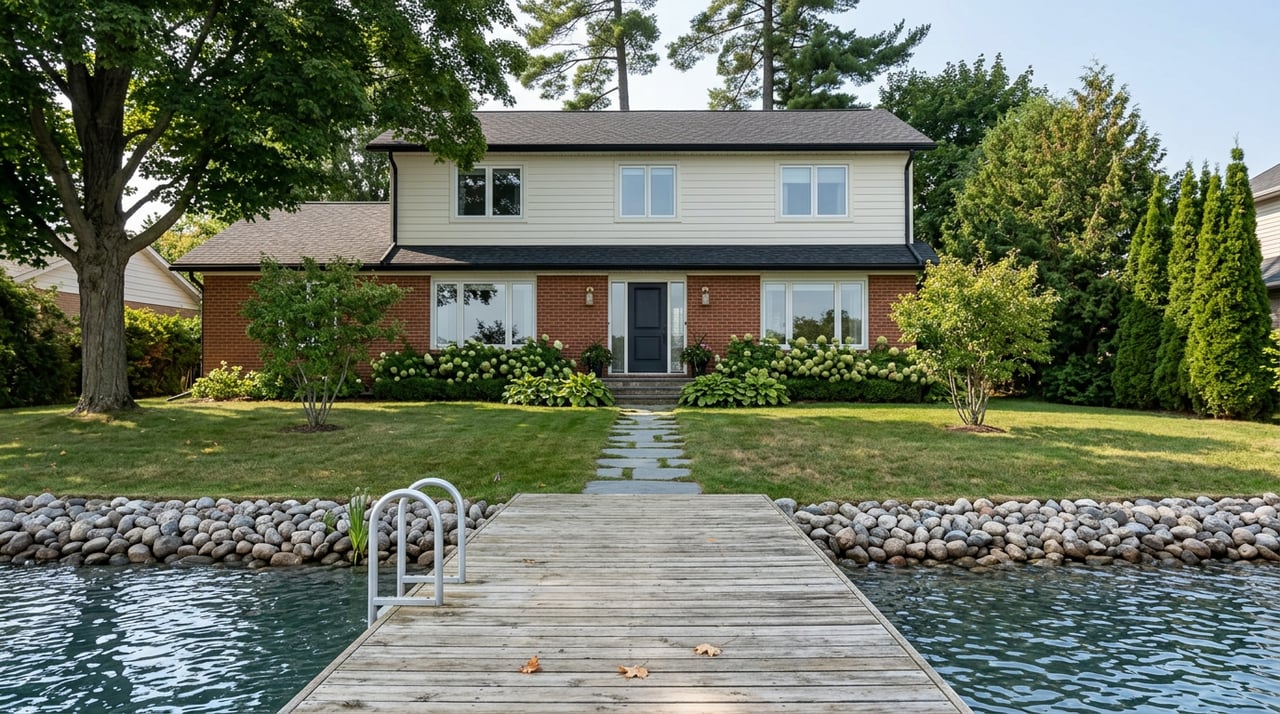
Island vs Mainland Waterfront in Leeds & 1000 Islands
March 5, 2026
March 5, 2026
Torn between an island escape and a road-access home on the St. Lawrence? You are not alone. In Leeds and the Thousand Islands, both choices deliver incredible water, but the day-to-day experience is very different. In this guide, you will learn how access, utilities, seasonality, rules, and resale work in our local market so you can choose with confidence. Let’s dive in.
Leeds and the Thousand Islands sits along the north shore of the St. Lawrence River, part of the United Counties of Leeds and Grenville. The corridor includes distinct micro-markets like Gananoque, Rockport, Mallorytown, and Brockville. Regional data highlights a strong ownership base and a rural setting that shapes buyer preferences and services. You can explore regional context in the county’s Fast Facts resource and Statistics Canada’s Focus on Geography profile.
The Thousand Islands archipelago mixes private islands with parcels managed by Parks Canada. Park islands are protected and not available for private purchase or development. If you are dreaming of an island, start by confirming ownership and allowed uses through the Thousand Islands National Park overview.
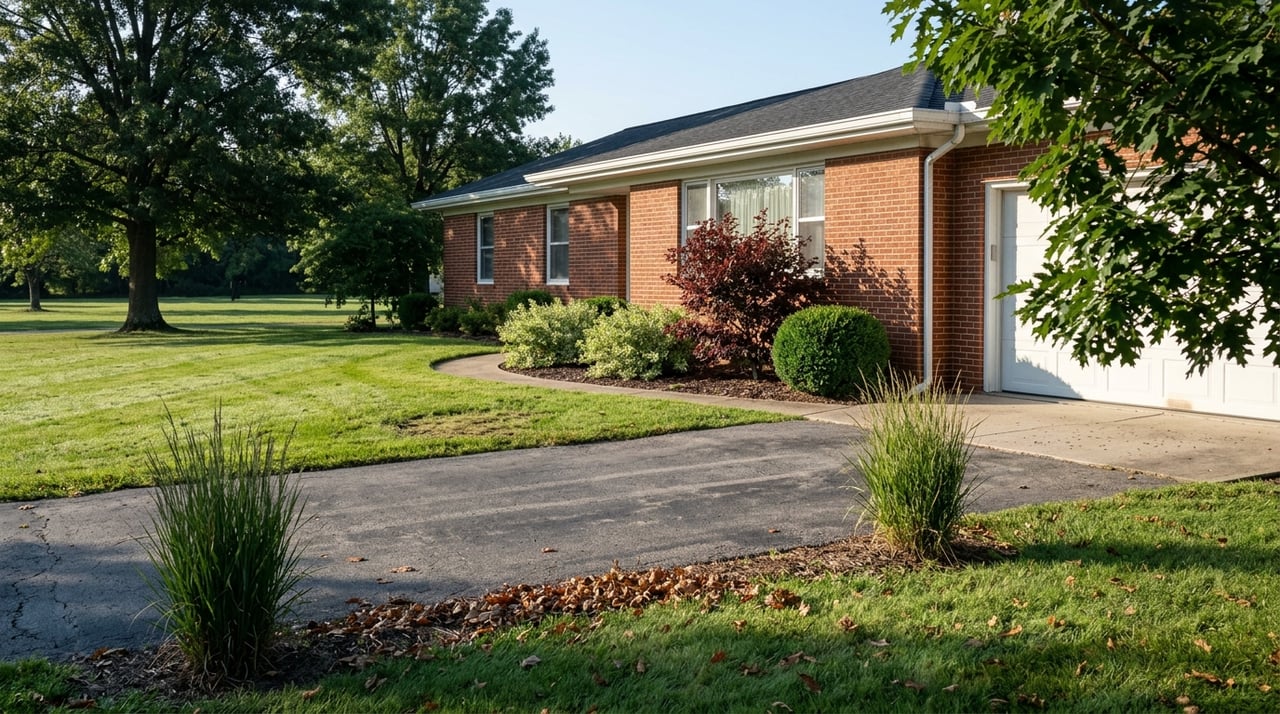
Mainland waterfront usually has year-round municipal road access with winter plowing. That makes deliveries, inspections, and emergency services straightforward. For most full-time owners, this is the lower-logistics choice with easier financing and insurance compared to water access.
Many islands are boat-access only. If you do not own a boat, seasonal shuttle services and marinas are common solutions for visitors and owners. Parks Canada outlines practical access options in its visitor guidance on island access. As an owner, plan for a slip or mooring, mainland parking, launch fees, and off-season storage.
A small number of islands have road connections. Hill Island, for example, is linked by Highway 137 as part of the Thousand Islands Bridge system. These properties often behave more like mainland for services, though you still need to verify which roads are municipal and what service levels apply. For context on this corridor, see the Highway 137 and Thousand Islands Bridge history.
On the mainland, grid electricity and standard telecom options are typically available at the lot line. On islands, power may be delivered by overhead or submarine cable. Some owners rely on generators, solar with battery storage, or small micro-grids. Internet can vary in rural waterfront areas; if you plan to work remotely, confirm fixed wireless or satellite coverage for the exact property before you buy.
Potable water on the mainland is often from a drilled well. On islands, you may see drilled wells, lake-intake systems with filtration and UV, or hauled water setups at simpler camps. Always arrange independent water testing for both bacterial and chemical parameters during your conditional period.
For sewage, Ontario’s Building Code sets the rules for on-site systems. Most single homes use a Class 4 septic with a leaching bed. Holding tanks (Class 5) can appear on constrained lots or as a temporary solution. Setbacks from the water, system sizing, and replacement costs are critical due diligence items, especially on small islands or older cottages. You can review the code’s Part 8 framework in the Ontario Building Code Compendium.
Docks, boathouses, and in-water work can trigger multiple approvals. Expect municipal zoning and setback rules, conservation authority review if hazard lands or wetlands are present, and federal navigation or fisheries considerations where beds are Crown land. Some older crib docks or boathouses may be “grandfathered” with documentation rather than fully permitted under current rules. Ask for permit history, as-built drawings, and approvals during due diligence. Start with the county’s overview of zoning and shore road allowance status on the zoning and planning page.
Converting a three-season cottage to a true four-season home may require insulation upgrades, a furnace or heat pump, water-line and foundation improvements, and septic changes. Those items affect cost, financeability, and insurance. Lenders and insurers will also look at year-round access, permanent heat versus wood-only heat, and the reliability of water and septic systems if you intend to live on-site in winter.
The St. Lawrence and Lake Ontario system saw notable high-water episodes in 2017 and again at a peak in 2019. Elevated water affected riparian areas, docks, and some shoreline structures across the region. When you evaluate a property, review flood mapping, historical photos, and any insurer loss history, and factor shoreline stabilization into your budget. Environment and Climate Change Canada references these high-water years in its regional management materials.
Mainland, year-round waterfront appeals to a broader pool that includes families, commuters, retirees, and remote workers. It is easier to finance and insure, which usually leads to stronger resale liquidity.
Island cottages attract a dedicated but smaller buyer pool that values privacy and boating. These buyers are selective about usable, weed-free frontage, protected coves, and docking. Legal items like shore road allowance status, old septic systems, or unpermitted marine structures can narrow the buyer pool and lengthen marketing time. High-quality island parcels still command strong interest when access and water depth are ideal.
Specialty underwriting is common for seasonal and water-access properties. Expect higher down payments and stricter terms if structures are seasonal or if access is limited. Insurers examine flood exposure, wood heat, occupancy patterns, and emergency access. Get lender and insurance pre-approvals early in your conditional period so you can align terms with your closing timeline.
Some mainland waterfront homes near service centres are attractive for short-term rental use. Rules vary by municipality and continue to evolve, and septic capacity can influence allowed occupancy. Do not assume that past rental activity is permitted under current bylaws. Always confirm licensing, limits, and septic implications before you plan revenue.
Bridged or causeway-linked islands are a helpful hybrid. You often get the island feel with easier service delivery. Hill Island’s connection through the Thousand Islands Bridge is a good example of how these properties function in practice. Verify which parts of the approach are municipal, the extent of winter maintenance, and which bylaws apply. The Highway 137 corridor context is a useful starting point.
Choose mainland waterfront if you want:
Choose an island property if you want:
Consider a bridged island if you want:
Use this list during your conditional period:
There is no wrong choice between island and mainland. The right move depends on how you plan to live, how often you will visit in winter, and how comfortable you are managing boat logistics, utilities, and permits. When you match your lifestyle to the right parcel type and complete a thorough due diligence process, you set yourself up for low-drama ownership and better long-term value.
If you want a clear, step-by-step plan for your search in Leeds and the Thousand Islands, reach out to Gerard Cabrera for tailored guidance, early access to listings, and a design-forward approach to help you buy with confidence.
Stay up to date on the latest real estate trends.

Get assistance in determining current property value, crafting a competitive offer, writing and negotiating a contract, and much more. Contact me today so I can guide you through the buying and selling process.