Thinking about a cottage or riverfront home in the Thousand Islands but not sure where to start? Sorting out shoreline types, dock options, permits, and seasonal access can feel like a maze. You want a place that fits your boating style, budget, and timeline with no surprises after closing. This guide gives you the essentials for Leeds and the Thousand Islands so you can buy with confidence. Let’s dive in.
Local rules that shape your plan
Before you fall in love with a view, get clear on what you can build or change. The Township of Leeds and the Thousand Islands handles zoning, building permits, shoreline setbacks, and rules for boathouses and accessory buildings. A conservation authority typically regulates development near watercourses and floodplains. Provincial and federal agencies can also be involved when work affects fish habitat or navigation.
Why this matters: approvals control what is legal at the shoreline, from docks to riprap to vegetation removal. These reviews can add cost and time if studies or mitigation are needed. Ask early for any municipal files, past permits, conservation correspondence, and surveys. Confirm which conservation authority covers the property and whether there are regulated areas, erosion hazards, or wetlands on site.
Shoreline types and what they mean
Not all waterfront is the same, and the shoreline will shape your daily use, maintenance, and future projects.
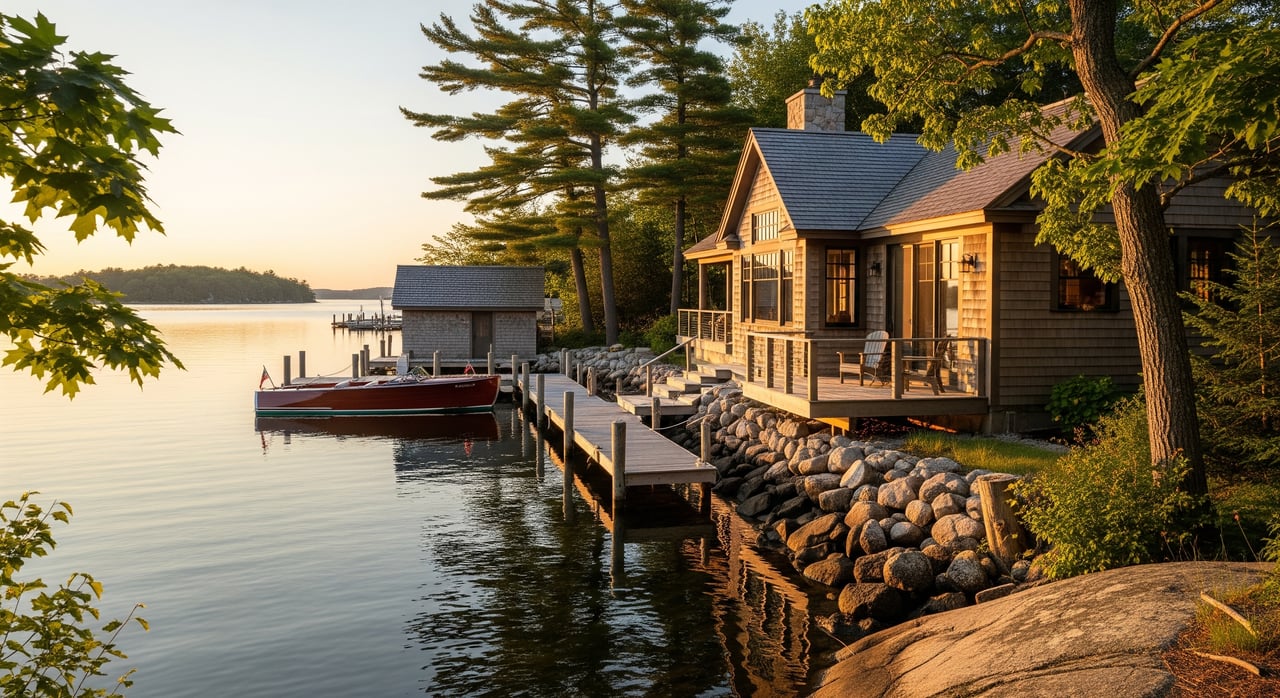
- Bedrock or rocky ledge: Stable and great for anchoring docks. Shallow shelves can complicate boat access and may limit septic absorption where soils are thin.
- Riprap or engineered retaining walls: Protects banks from erosion and allows docks alongside. Repairs or new work often need permits and possible habitat mitigation.
- Gradual, vegetated banks: Natural buffers support wildlife and water quality. Marshy edges are often protected, and docks may need to be floating or placed away from sensitive vegetation.
- Marsh, wetlands, or floodplain: Heavily regulated with stricter setbacks and smaller buildable envelopes.
- Artificial fill or modified shores: Legacy alterations can come with maintenance obligations and extra scrutiny for future repairs.
Shoreline type affects where a dock can go, boat launch depth, and feasibility of boathouses or retaining structures. It also impacts septic system design, insurance, and overall maintenance costs. Low-lying or flood-exposed lots may face higher insurance premiums and tighter underwriting.
Quick shoreline checks at showings
- Ask for shoreline work and permit records.
- Look for high water marks, exposed roots, or stacked stones that suggest erosion.
- Confirm who owns to the waterline and any navigational easements.
- Check for wetland or species-at-risk flags with the conservation authority.
Docks, marinas, and mooring options
Dock choice depends on water depth, exposure, and ice movement. Fixed docks on pilings work well in deeper water and rocky bottoms but cost more and usually need pile-driving approvals. Floating docks suit shallow or variable levels and can be removed seasonally to reduce ice damage.
Shared docks can be practical if you have limited frontage, but you should verify formal agreements, cost-sharing, and access rights. If private docking will be restricted, plan for a marina slip near Gananoque, Rockport, or Ivy Lea.
Permits and approvals
- Municipal approvals for boathouses and major shoreline structures.
- Conservation authority permits for regulated areas and floodplains.
- Fisheries and Oceans Canada review if work may harm fish habitat or affect navigation.
- Additional constraints may apply near federal navigation channels or small craft harbours.
Local logistics to plan for
- Ice movement: Many owners remove or winterize docks each winter. Insurers may require removal or certified ice-anchors.
- Water depth: Confirm depth at the slip location for your boat type. Depths can change with shoaling.
- Shared arrangements: Ensure agreements are written and enforceable, with clear maintenance and replacement terms.
- Marina availability: If you need a slip, confirm seasonal availability and winter storage early.
Budgeting for docks
- Installation: Floating docks can start in the low thousands and scale with length and hardware; fixed systems cost more.
- Permits and studies: Factor in permit fees, any engineering reports, and environmental mitigation.
- Maintenance: Plan for decking and hardware repairs and possible replacement after significant ice events.
Seasonal access and services
How you reach the property affects everything from deliveries to emergency response. Mainland lots with year-round maintained roads offer easier access, utilities, and often smoother insurance. Seasonal roads can be challenging in winter and may affect mortgage and insurance options.
Water-access-only properties require boat logistics for groceries, building materials, and service calls. Proximity to marinas and ferry services can be the difference between convenient weekends and difficult trips.
Utilities and septic basics
- Electricity: Some islands have hydro service; others rely on solar or generators.
- Water: Expect drilled or shallow/bedrock wells or hauled water. Test water quality and note seasonal fluctuations.
- Sewage: Septic condition and compliance are critical. Get records and book a professional inspection and pump-out.
Insurance and climate risks
Insurance for seasonal and water-access-only homes can vary in availability and price. Distance from fire services, flood risk, and previous claims all matter. Ask the conservation authority or municipality about floodplains or erosion hazard zones, and review insurer requirements for winterization and dock handling.
Offer timelines and key conditions
Waterfront deals often need more time for due diligence. Offers may be accepted within 1 to 7 days, with closings commonly in the 30 to 90 day range. For specialized checks and permits, 45 to 120 days is not unusual. Many buyers use 7 to 21 days for conditions, extending to 21 to 45 days when waterfront contingencies are involved.
Smart conditions to include
- Financing approval and a full home inspection.
- Septic inspection, pump-out, and records review.
- Up-to-date survey confirming boundaries to the waterline and structure locations.
- Confirmation of dock rights and feasibility for new or repaired docks.
- Shoreline and floodplain review with the conservation authority.
- Insurance confirmation with acceptable premiums and coverage.
- Water-access logistics check for islands or remote shore parcels.
- Environmental review where warranted.
Documents to request
- Latest survey and legal description.
- Shoreline, dock, and building permits.
- Records of shoreline work and any engineering reports.
- Septic records and maintenance logs.
- Insurance claims history for the property.
- Shared-dock agreements, easements, or association rules.
On-site checks
- Walk the shoreline at multiple points to assess shoals, high water marks, and turning room for boats.
- Confirm septic and well locations and setbacks from the water.
- Verify power availability and how hydro reaches the site.
- If water access only, do at least one full boat trip to test real-world access and docking.
Engage these pros early
- Real estate lawyer experienced in waterfront and title issues.
- Surveyor for boundary and foreshore confirmation.
- Septic and well inspectors or designers.
- Dock or marine contractor for depth checks and permit feasibility.
- Insurance broker familiar with seasonal and water-access risks.
- Conservation authority liaison or planner.
Real-world local scenarios
- Mainland lot near Gananoque with riprap and a floating dock: Verify past shoreline permits and whether repairs need new approvals.
- Small island lot served from Ivy Lea or nearby marinas: Confirm slip availability, contractor transport, and whether hydro or off-grid systems are needed.
- Older cottage in Rockport with a shared dock: Get the legal agreement, cost-sharing records, and clarity on maintenance responsibilities.
- Low-lying lot near Mallorytown with a wetland buffer: Confirm the buildable area and any floodplain or wetland limits with the conservation authority.
Your next steps
- Narrow your target to mainland or water-access-only based on your lifestyle and risk comfort.
- Match shoreline types to your boating needs and maintenance budget.
- Line up permits, surveys, and inspections early to keep your deal on track.
- Build in enough conditional time for shoreline, dock, septic, insurance, and access checks.
If you want help selecting the right properties and structuring clean, confident offers, reach out to Gerard Cabrera. As a local, design-forward REALTOR who knows the Thousand Islands and Leeds & Grenville corridor, Gerard will guide you through shoreline rules, dock feasibility, and seasonal logistics while keeping your lifestyle front and center. Start the conversation with Gerard Cabrera.
FAQs
What permits do I need for a new dock in the Thousand Islands?
- You will typically need municipal approvals for structures, a conservation authority permit in regulated areas, and federal review if work may affect fish habitat or navigation.
How do shoreline types affect septic systems on waterfront lots?
- Shallow bedrock and high groundwater can limit standard systems and may require specialized designs or sand mounds with proper setbacks from the water.
Are island cottages harder to insure in Leeds and the Thousand Islands?
- Insurance can be more complex for water-access-only or seasonal homes due to distance from fire services, flood risk, and winterization requirements.
How much conditional time should I include for a waterfront purchase?
- Many buyers plan 21 to 45 days for waterfront-specific conditions to complete septic, survey, dock feasibility, conservation reviews, and insurance confirmation.
What should I check during a waterfront showing for dock feasibility?
- Confirm water depth at the proposed slip, exposure to ice and waves, shoreline permits history, and any wetland or regulated area flags that could limit placement.