Leave a Message

Thank you for your message. I will be in touch with you shortly.

Explore My Properties

MPAC Assessment vs Market Value In Brockville

January 15, 2026

Does your MPAC assessment line up with what your home could sell for today in Brockville? You are not alone if the numbers feel out of sync. Property assessments and market prices serve different purposes, which is why they often diverge across Brockville and the wider Leeds & Grenville area. In this guide, you will learn what each value means, why gaps happen locally, and how to price and market your home with confidence. Let’s dive in.

MPAC vs. market value: the basics

MPAC’s role is to estimate property values for taxation under Ontario’s Assessment Act. MPAC sets an assessed value for each property as of a specific valuation date used on the assessment roll. That date can lag real-time market conditions. For the latest valuation date and cycle details, check the official MPAC website.

Market value is the price a buyer is likely to pay in today’s open market. It shows up in several ways:

  • List price: your asking price, which is strategy-driven.
  • Appraised value: a professional appraiser’s opinion as of a specific date, often for financing.
  • Sale price: the actual transaction price. It is a strong indicator but can be influenced by unique situations.

In short, MPAC’s assessed value is built for taxation consistency, while market value reflects current buyer demand, recent local sales, and your home’s specific features and condition.

Why numbers differ in Brockville

Timing and valuation dates

MPAC values are tied to a legislated valuation date. Markets move. If Brockville prices rose or cooled after that date, the assessment can lag, even when your CMA or appraisal shows a different picture.

Data and modeling choices

MPAC relies on sales data, building permits, registries, and questionnaires across many properties. Local agents and appraisers hand-pick the most relevant recent comparables, which can lead to different outcomes than broad modeling.

Renovations and condition

Recent renovations or condition changes may not be fully captured in MPAC records, especially if work did not require permits or occurred after the valuation date. Appraisers and buyers who view the home will price these improvements.

Unique and hard-to-compare homes

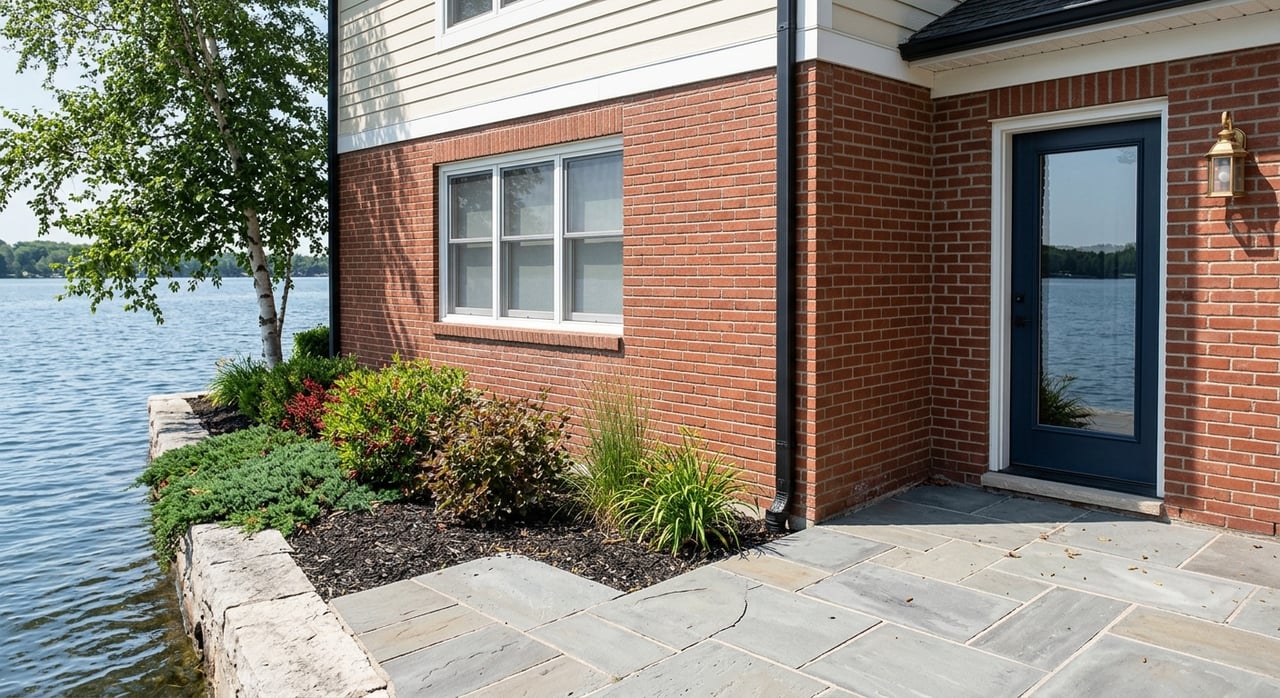
Waterfront properties on the St. Lawrence, larger rural or agricultural parcels, and renovated historic homes often lack close comparables. Modeling can be less precise, which increases the chance of a gap between assessment and market.

Market dynamics and one-off situations

Multiple offers can push sale prices above appraisals or assessments. Distressed or private sales can land below typical market levels. These outliers affect individual sale prices but may not shift MPAC’s model right away.

Different purposes, different methods

  • MPAC aims for consistent taxation across many properties.
  • Appraisers deliver a single-property opinion for a specific purpose and date. For standards and definitions, see the Appraisal Institute of Canada.
  • Agents set list prices to meet seller goals and current demand, not to mirror a tax assessment.

Estimate your current market value

Start with recent comparable sales

Recent closed sales in your immediate area provide the best single indicator. In a stable market, aim for the past 3 to 6 months. If sales are thin, extend to 6 to 12 months and note the limits.

Prioritize true comparables:

  • Same neighbourhood or subdivision when possible.
  • Same type: waterfront vs. non-waterfront, bungalow vs. two-storey.
  • Match key measures: finished living area, lot size, beds/baths, age, garage, and finished basement.
  • Make reasoned adjustments for differences and document them.

Use an appraisal when needed

If you need a formal, defensible number for financing or legal matters, a certified appraisal is appropriate. It provides a value as of a specific date and explains how comps were selected and adjusted.

Get a local CMA for strategy

A Comparative Market Analysis from a local agent blends recent comps with a pricing strategy shaped by your goals. It accounts for design updates, staging, photography, and how presentation can influence buyer response.

Be cautious with online estimates

Automated valuation models are fast but can be off, especially for waterfront, rural, or heavily renovated properties where data is limited.

Where MPAC fits

Your MPAC assessment is useful for understanding your tax base and as a historical benchmark. It is not a substitute for a current CMA or appraisal when you plan to list.

Pricing strategy when MPAC and market do not match

If MPAC is lower than likely market value

  • Showcase improvements: permits, receipts, warranties, before-and-after photos, and a pre-listing inspection help buyers understand the value.
  • Align with current comps: price to the market you see today, not the assessment.
  • Prepare a simple one-page summary that explains why the list price differs from the assessment in neutral, factual terms.

If MPAC is higher than likely market value

  • Price to current comps: show buyers the recent sales that reflect today’s conditions.
  • Set expectations early: share your comp set and your reasoning to avoid confusion.
  • Consider an assessment review: if your Notice of Assessment is recent and you believe the value is overstated, explore MPAC’s review options on mpac.ca.

Financing and appraisal considerations

  • In hot segments, bidding can push sale prices above appraised values. Buyers may need to bridge an appraisal gap with extra funds.
  • In cooler segments, strategic pricing below MPAC can attract offers and reduce time on market. Certainty and speed can be worth more than chasing a mismatched assessment.

If you think MPAC is wrong

  1. Review your Notice of Assessment and the valuation date. Confirm property details are accurate.
  2. Compare to recent, nearby sales that are truly comparable in type, size, and features.
  3. Gather documents: renovation permits, photos, receipts, inspection reports, or a recent appraisal.
  4. Start with MPAC: follow the Request for Reconsideration steps and deadlines on mpac.ca. Timelines matter.
  5. If unresolved, you may appeal to the Assessment Review Board, which operates as an external tribunal. For process information, visit Ontario’s Assessment Review Board.

Brockville and Leeds & Grenville examples

Renovations not captured

You modernized an older brick home in Brockville with a new kitchen, added bath, and a legal basement suite. The assessment predates the work, so it reads low. Action: collect permits and receipts, order a CMA or appraisal, and list above the assessment with clear documentation.

Market cooled after the valuation date

MPAC’s valuation date reflects a stronger period than today. Recent neighborhood sales are lower. Action: price to current comps, explain the gap to buyers with a one-page summary, and consider filing a review with MPAC if your goal is to align taxes with current market evidence.

Bidding pushes above appraisal

You price competitively and attract multiple offers on a river-adjacent property. The winning price lands above the appraiser’s conservative comp set. Action: prepare for potential appraisal gaps and coach buyers to discuss financing options with their lenders in advance.

Quick checklist for sellers

  • Pull 3 to 5 recent, truly comparable sales within your neighborhood or the closest match.
  • Verify your MPAC details and valuation date on mpac.ca.
  • Document improvements with permits, receipts, and photos; consider a pre-listing inspection.
  • Request a CMA for pricing and a marketing plan geared to your goals and timeline.
  • Decide whether an appraisal is needed for financing or negotiations.
  • Prepare a short summary that explains any gap between your list price and MPAC assessment.

Ready for a current estimate?

Want a fresh read on your Brockville property’s value today? Request a local CMA to see how recent sales compare to your MPAC assessment. If you prefer a quick starting point, ask for an instant home valuation and we will follow up with a tailored pricing plan and presentation advice.

Have questions about timing, staging, or how your home compares in Leeds & Grenville? Reach out to Gerard Cabrera for a friendly, data-backed conversation.

FAQs

Is my MPAC assessment the same as my sale price?

  • No. MPAC’s number is for taxation as of a specific valuation date, while your sale price reflects what a buyer pays in today’s market.

Which value should I use when listing my Brockville home?

  • Rely on recent comparable sales and a current CMA or appraisal; consider MPAC as a tax benchmark, not a pricing target.

How do I challenge an MPAC assessment I believe is high?

  • Review your Notice of Assessment, gather evidence, then follow the Request for Reconsideration process and deadlines on mpac.ca.

What if my waterfront or rural property has few comparables?

  • Expand the time window to 6 to 12 months, adjust for key differences, and consider a certified appraisal to support pricing.

Can an appraisal help lower my taxes in Leeds & Grenville?

  • An appraisal can be part of your evidence for MPAC’s review, but MPAC decides based on its criteria and the data available.

Let’s Find Your Dream Home

Get assistance in determining current property value, crafting a competitive offer, writing and negotiating a contract, and much more. Contact me today so I can guide you through the buying and selling process.