Listed vs. Designated: Understanding Brockville's Heritage Distinction
September 17, 2026
September 17, 2026
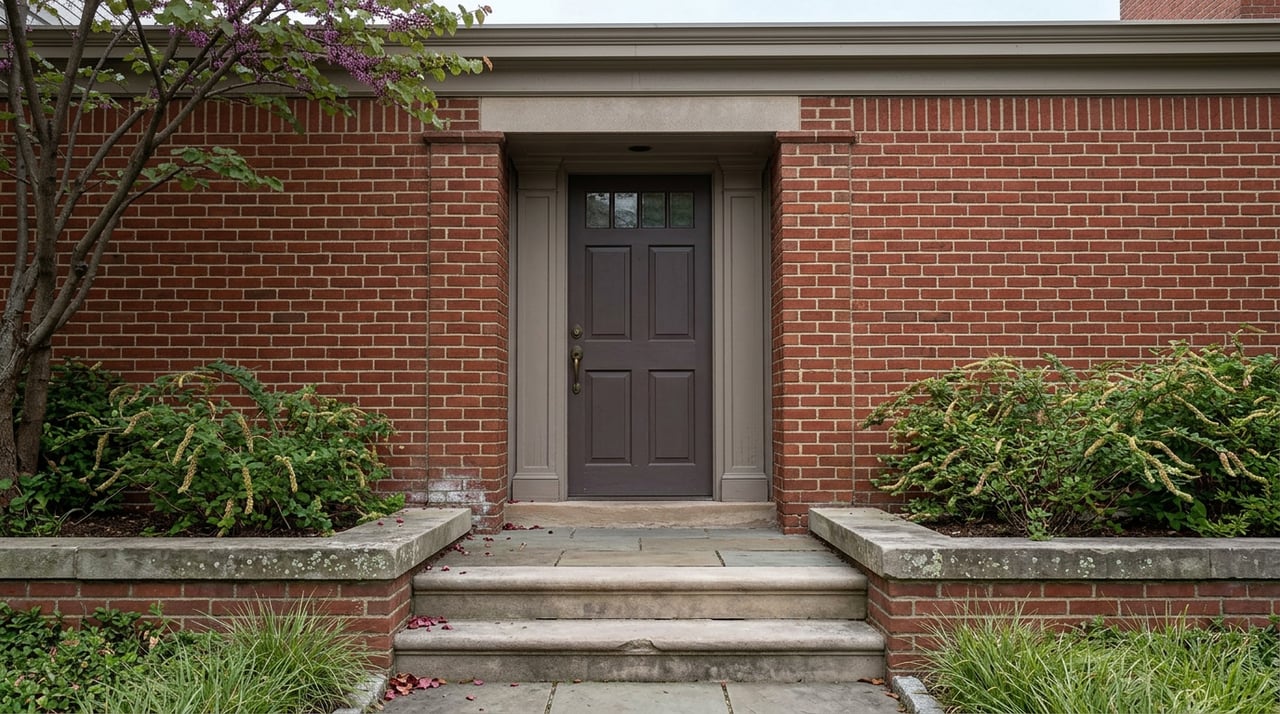
A buyer touring an older two-story on one of Brockville's downtown streets pulls up the listing on their phone, sees the word "heritage" somewhere in the property history, and mentally files the house under complicated. They picture permission slips for a new front door, a insurance agent who won't return their calls, a City Hall office that has to approve their kitchen renovation. Most of the time, none of that is true. The word "heritage" on a Brockville property can mean one of two very different things, and only one of them comes with any legal weight at all.
That distinction matters more here than in most Ontario cities its size. Close to 40 percent of Brockville's housing stock predates the 1960s, and a large share of that older inventory sits in the downtown core near the courthouse and King Street, exactly where the city has spent decades identifying buildings worth protecting. If you're buying, selling, or renovating in that part of town, understanding what a heritage flag actually requires of you isn't trivia. It's the difference between walking into a transaction with clear eyes and walking in braced for restrictions that were never there.
Brockville keeps a Municipal Register of Cultural Heritage Properties, and it holds two categories that get treated as interchangeable but aren't. Properties can be Listed under Section 27 of the Ontario Heritage Act, or they can be Designated under Section 29. The city's own heritage page draws the line plainly: listing is primarily an administrative process, while designation is a legal one. A listed property has been flagged as having potential cultural or architectural value, but it hasn't gone through the formal steps that would attach any binding conditions to it. On the register's public map, designated properties get a yellow flag and listed properties get a blue one, and that color coding is worth checking before you write an offer, not after.
Designation is the category that actually changes what an owner can do. Once City Council passes a designation bylaw, the property gains a measure of legal protection against demolition or what the city calls unsympathetic alteration, but only for the specific attributes named in that bylaw. If a feature isn't cited, an owner can modify or replace it without any heritage review at all. Paint color is never restricted under designation. Interior spaces are generally left alone unless they're unusually significant and specifically called out. Central air, pools, garages, and modern interior finishes are all explicitly permitted. The question designation asks isn't whether you can update the house. It's how you do it if the update touches something the bylaw named.
For a buyer eyeing a designated property, the practical trigger is simple: any alteration likely to affect a listed heritage attribute needs council approval before the work starts. That's a real step, and it's worth building into a renovation timeline. But it's a narrower step than most people assume, because it only applies to what's written into the bylaw itself, not to the building as a whole.
The one place designation carries real teeth is demolition. If an owner of a designated property applies to tear it down and council says no, the City of Brockville says the refusal buys the building 180 days before any demolition can proceed, time meant for negotiating a way to preserve what makes the structure worth protecting in the first place. For most residential buyers, that scenario never comes up. For anyone considering a teardown-and-rebuild on a designated lot, it changes the math on timeline and should be confirmed with the planning department before the property goes under contract.
Listed properties skip all of this. There's no council sign-off required to swap a window, re-side a wall, or renovate a kitchen, because listing hasn't triggered the legal process that designation has. Owners of listed homes often wear it as a point of pride rather than a constraint, and that's closer to how the city itself frames it.
This is where the most persistent myth lives, and it cuts in two directions that both deserve airtime. The City of Brockville states outright that designation does not result in higher insurance premiums and places no additional requirements on an insurer. What does affect premiums, according to the same source, are age-related factors that show up in any older building whether it's designated or not: outdated knob-and-tube wiring, an aging furnace, a roof overdue for replacement.
That's true as far as it goes, but it isn't the whole picture. The Insurance Bureau of Canada notes that heritage buildings are genuinely more complex to insure, not because of the designation itself, but because older construction tends to carry more of the underlying issues that make any building costlier to cover, and because rebuilding to match original materials and detailing can raise the cost of a claim regardless of legal status. The practical move for a buyer is to get an insurance quote before any condition is waived, and for a designated property, to hand the designation bylaw to the broker up front so the policy is written with the cited attributes in mind. The city is right that the label alone won't move your premium. The building's age and condition will, and that's true with or without a bylaw attached.
This isn't an abstract policy debate in Brockville right now. According to Brockvilleist, at a Planning and Development Committee meeting in February 2026, Ida Duc, chair of the Brockville Municipal Heritage Committee, told council the group has spent recent effort designating city-owned buildings rather than pushing private designations that tend to draw pushback from property owners. That work paid off: the Brockville Arts Centre and the Brockville Public Library were designated as heritage properties, the first city-owned buildings to receive that status since the Brockville Railway Tunnel was designated more than three decades earlier.
The committee also flagged insurance cost concerns as a real barrier to private owners agreeing to designation, and said it has been contacting insurance companies and contractors directly to get better answers rather than relying on general assurances. That's a useful signal for any seller weighing whether to pursue designation voluntarily: the concern is common enough that the city's own heritage committee is actively researching it, and it hasn't stopped them from recommending the process.
Brockville has also used designation to recognize private restoration work through its Heritage Conservation Awards, a program the committee plans to revive after several years dormant. Past winners have included Richard's Coffeehouse, 1000 Islands Brewery, and the 48 King West Hotel, all businesses in buildings that leaned into their history rather than working around it. The city's plaque program, which has placed more than 50 markers around town through Legacy Fund grants, is also due for a refresh, since several plaques have weathered to the point of needing replacement. None of this is red tape. It's a city actively building a case that its older buildings are assets, which is worth knowing if you're weighing whether a heritage-adjacent property will hold its character and its value over time.
Before you write an offer on an older Brockville property, or list one:
Does a listed property come with any legal restriction on renovations? No. Listing is an administrative notation under Section 27 of the Ontario Heritage Act. It does not require council approval for alterations. Only designation under Section 29 carries that requirement, and only for the specific attributes named in the bylaw.
Will heritage designation raise my home insurance premium? The city's position is that designation itself does not increase premiums, and that age-related issues like old wiring or an aging roof are the more common drivers of higher rates in older buildings generally. Insurance industry guidance adds that heritage buildings can still be more complex to insure due to rebuild costs, so getting a quote early and sharing the designation bylaw with your broker is worth the extra step.
How can I check whether a specific Brockville address is on the heritage register before making an offer? The city maintains a mapped version of the Municipal Register of Cultural Heritage Properties with designated properties marked in yellow and listed properties in blue. The city's Planning Department can also confirm status and provide the designation bylaw for any flagged property.
If you're weighing a purchase in one of Brockville's older neighborhoods, or thinking about what a heritage designation could mean for a home you're preparing to sell, I'd rather walk you through the specifics of your address than leave you guessing from a listing sheet. Reach out to Gerard Cabrera and let's look at what your property's history actually means for your plans, not what the word on the page implies.
This article is general information, not legal, tax or financial advice. Consult a qualified professional about your situation.
Stay up to date on the latest real estate trends.

Get assistance in determining current property value, crafting a competitive offer, writing and negotiating a contract, and much more. Contact me today so I can guide you through the buying and selling process.